
Solar Panels for New Build Houses in Wales
New-build housing in Wales increasingly comes with some level of solar PV pre-installed, driven by changes to Building Regulations that came into effect in 2022. But the standard developer fit-out is often minimal — typically a small array sized to meet regulatory targets rather than to maximise your savings. There is significant scope to extend or upgrade what comes with the house.
We work with new-build owners across Wales on three main scenarios: extending an existing developer-installed array, retrofitting solar where the developer did not include it, and adding battery storage to homes that came with panels but no battery.
Why new builds often have under-sized arrays
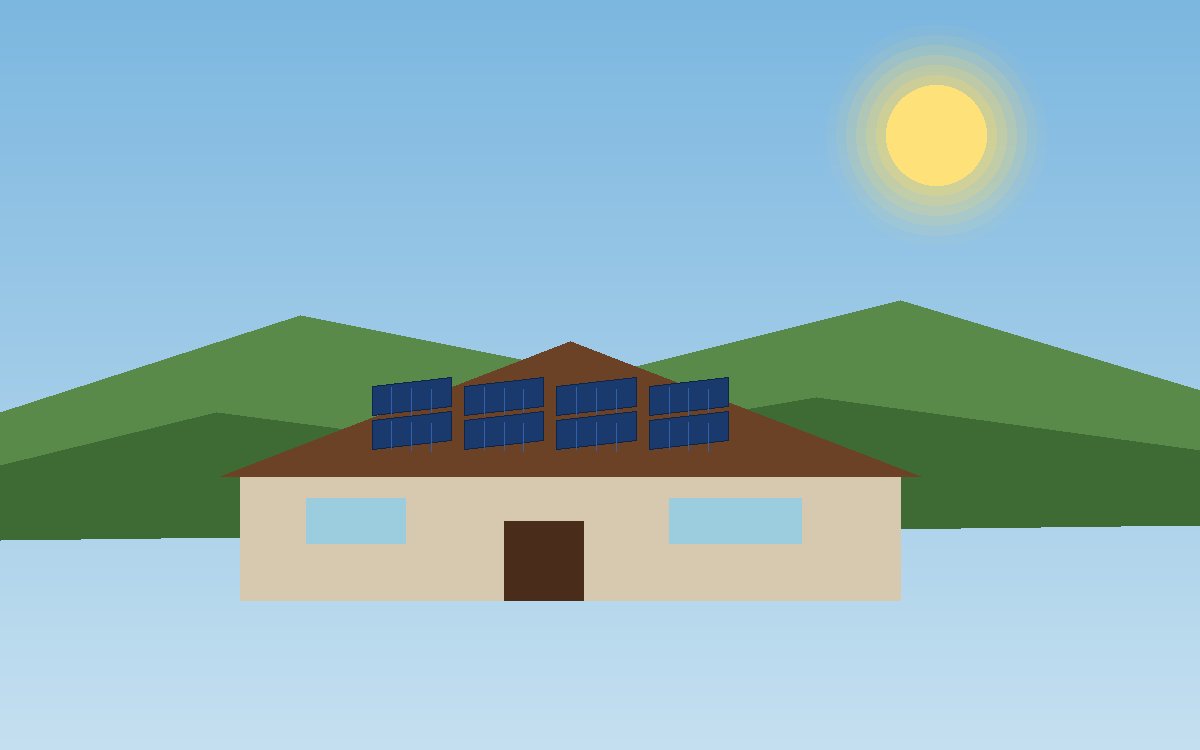
Most new builds in Wales completed since 2022 come with around 2-3 kW of solar PV — enough to satisfy the regulatory minimum but well short of what a typical household can actually use. Many of these systems also lack battery storage or EV charging integration, which limits how much of the generation you can actually capture.
For a household with electric heating, an EV, or simply higher-than-average daytime use, extending the array to 4-6 kW and adding 5-10 kWh of battery transforms the economics. Self-consumption typically rises from around 30% on a 2 kW system to 70%+ on a properly sized PV-plus-battery setup, and annual savings increase proportionately.
Extending an existing developer-installed array
Extension projects vary in complexity depending on what the developer installed. If the original system used a string inverter sized for the array, adding more panels usually means adding a second inverter or replacing the original with a larger model. If the system used microinverters or panel-level optimisers, adding more panels is usually as simple as connecting them in additional strings or branches.
We always check what was installed before quoting an extension. The original equipment manufacturer, model numbers, and serial details are typically recorded in the homeowner handover pack, and we can usually obtain commissioning paperwork from the developer or installer if it has been mislaid.
- Inverter compatibility assessment for extensions
- Battery retrofit to existing PV systems
- EV charger integration with developer systems
- Re-registration with MCS for extended capacity
- Updated DNO notification for revised system size
Retrofitting where the developer did not include solar
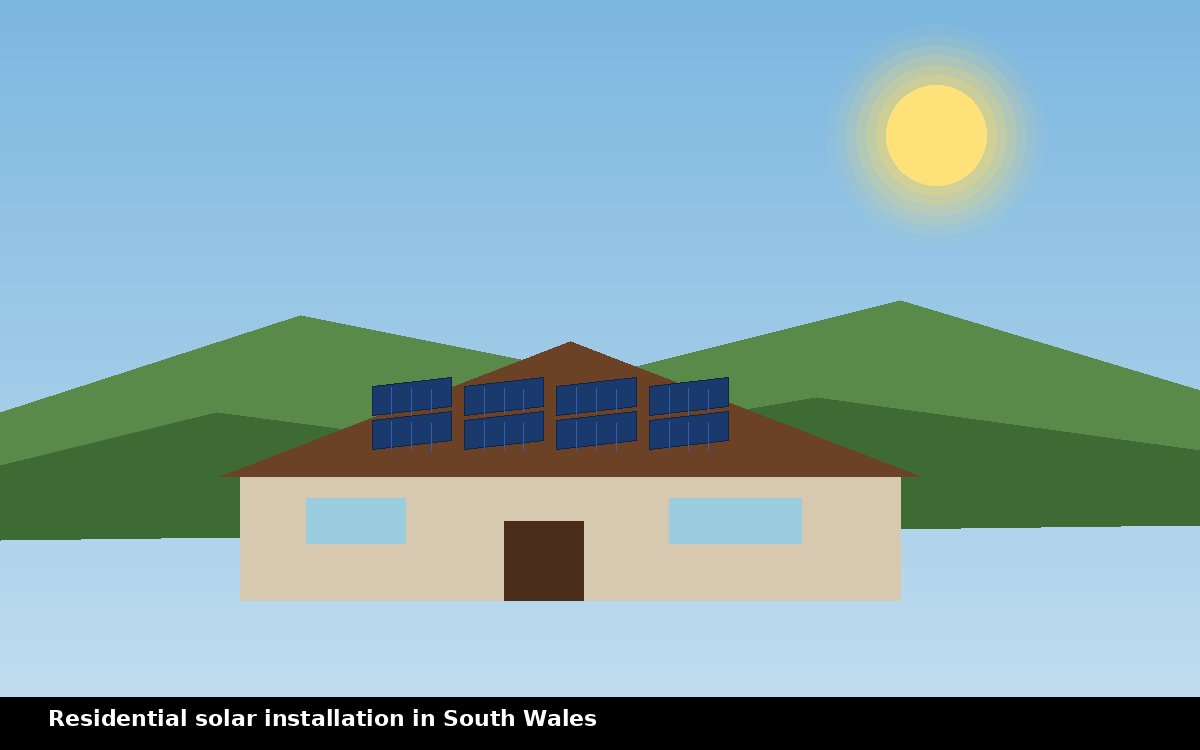
Some new-build developments — particularly those completed before the 2022 regulation changes, or smaller custom-builds outside the major developers — do not include solar at all. These properties are typically excellent candidates for a full retrofit because the roofs are in pristine condition, the electrical infrastructure is modern and well-documented, and the warranty position is clear.
A typical retrofit on a new-build house produces excellent results because the roof condition is so good. We can usually install panels on the day with minimal preparatory work, and the structural assessment is straightforward because the roof construction is documented in the original architect drawings.

Coordinating with developer warranties
New builds typically come with a 10-year structural warranty from the National House-Building Council or a similar provider, plus shorter warranties on roof coverings and other elements. Adding solar to a new build needs to be done in a way that does not compromise these warranties — particularly on the roof.
We coordinate with the developer's warranty provider where appropriate, and we use mounting systems that are recognised by major UK developer warranty schemes. We always provide written confirmation that our installation method preserves the original roof warranty.
Frequently asked questions
Can I extend my developer-installed solar?
Yes, almost always. The cost and complexity depends on what the developer installed — string inverter systems may need an additional inverter, microinverter systems can typically just have more panels added.
Does adding solar void my new-build warranty?
Not if it is done properly. We use mounting systems and methods that are recognised by major UK developer warranties, and we provide written confirmation that the installation preserves your warranty.
Why did my developer only install 2 kW of solar?
Most developers install the minimum required to meet Building Regulations Part L, not the optimum size for your household. Extending the array gives you much better economic returns.
What if the developer used a non-standard inverter?
We check compatibility before quoting any extension. If the original inverter cannot be expanded, we either add a second inverter or replace the original with a larger model.
How long does a new-build extension take?
Most new-build extension projects are completed in one day, sometimes two for larger battery additions. The roof condition is excellent so installation is fast.
Common scenarios for new-build owners
The 2022 changes to Building Regulations Part L have meant that most new homes completed since then come with some solar PV. We see three common scenarios from new-build owners contacting us:
- Tiny developer system, no battery: the original 2 kW system covers 15-20% of annual electricity. Owners typically want to extend to 4-5 kW and add a battery.
- Solar but no EV preparation: the original install did not include an EV charger but the owner is now buying an electric car. We add the charger and integrate it with the solar system.
- No solar at all: older new-builds or smaller custom builds without any PV. Full retrofit, usually very straightforward thanks to the excellent roof condition.
For all three scenarios, we work carefully to preserve developer warranties, coordinate with the original installer where appropriate, and ensure the result is properly documented for future house sales.