Commercial Solar Case Studies in Wales
Real installations from across Wales, with system specifications, generation figures, and payback periods drawn from our own project records.
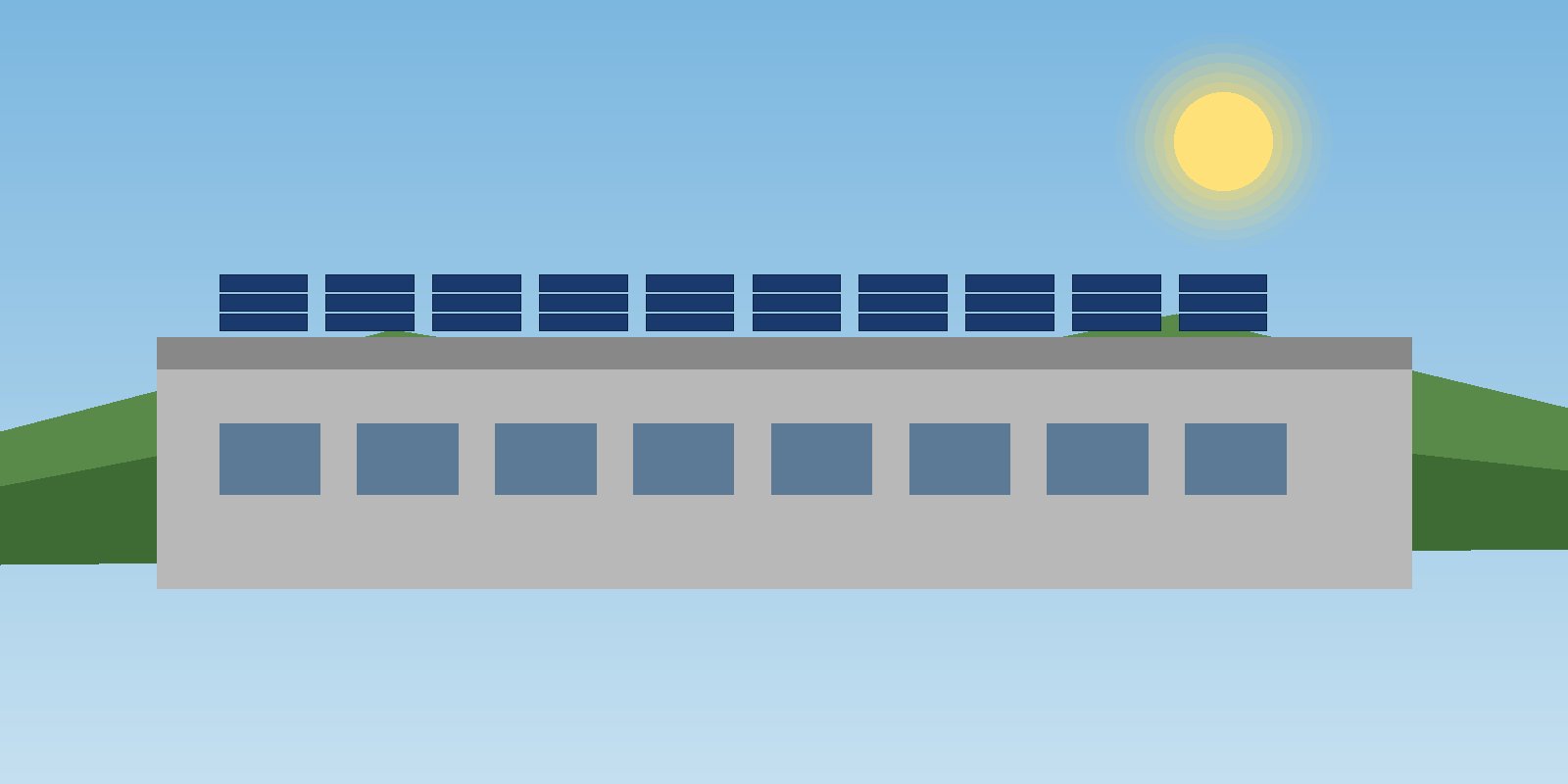
Case study one — South Wales food manufacturer, 250 kW rooftop
A long-established food manufacturer near Bridgend approached us in early 2024 looking to reduce their electricity costs and improve their ESG position ahead of a major retailer audit. Their site comprised a 4,500-square-metre production hall with a trapezoidal metal roof in good condition and southerly orientation.
We installed 555 panels totalling 250 kW peak, with two 100 kW string inverters and a small battery for peak shaving. The system generates approximately 215 MWh per year, around 35% of the site's total electricity demand. Self-consumption is excellent at 92%, meaning very little is exported.
Total project cost was £176,000 plus VAT. With current electricity prices, annual savings are around £52,000 with a further £1,800 in SEG income. Simple payback comes in at 3.3 years; after capital allowances, the post-tax payback is closer to 2.5 years.
Case study two — Pembrokeshire dairy farm, 80 kW rooftop and barn-mount
A family-run dairy farm in Pembrokeshire with around 200 milking cows approached us looking to offset the energy cost of running parlour equipment, refrigeration tanks, and a slurry separator. The farm had ample roof area across three barns plus a small ground-mount possibility.
We installed 178 panels totalling 80 kW peak across two barn roofs and a small parlour roof, feeding into a single 75 kW three-phase inverter. The system generates around 72 MWh per year, covering roughly half of the farm's annual demand. Because of the high daytime usage pattern of dairy operations, self-consumption is 88%.
Total cost was £62,000. With current electricity prices and modest SEG income, the farm saves approximately £18,500 per year. Payback is 3.4 years before allowances. The farmer described the project as the single best investment he had made in twenty years of running the farm.
Case study three — Cardiff office and small warehouse, 65 kW
A professional services firm in Cardiff occupying a converted Victorian warehouse with an attached modern office wing approached us in 2023. They wanted to reduce running costs but also signal their environmental commitments to clients, who increasingly asked sustainability questions during tender processes.
We installed 144 panels totalling 65 kW peak across the modern wing roof, with a single inverter and a 40 kWh battery. The warehouse roof was excluded for heritage reasons. The system generates around 58 MWh per year, covering roughly 70% of the firm's daytime electricity demand.
Total cost was £58,000. Annual savings run at around £14,500 including SEG. Payback is 4 years before allowances. The firm featured the installation in their next sustainability report and won two new retainers where the new client cited environmental credentials in their decision.
Case study four — North Wales primary school, 50 kW with battery
A community primary school in Conwy approached us through their local authority to install rooftop solar with battery storage. The school wanted to reduce energy costs, provide visible learning about renewable energy for pupils, and contribute to the local authority's net zero plan.
We installed 112 panels totalling 50 kW peak across two flat roofs, with a single 40 kW inverter and a 30 kWh battery. The school operates on weekdays only during term time, which presents a self-consumption challenge: significant generation happens during holidays when the building is closed.
The battery captures weekend and holiday generation for use during the following week, lifting self-consumption from 35% to 71%. Annual savings are approximately £6,200 including SEG. Total cost was £52,000, of which around £15,000 was funded by a local authority capital grant. Payback after grant is 6.0 years.
Common questions about our case studies
Are these figures realistic for my site?
These case studies are real projects with figures taken directly from our records. Your site will be different in roof orientation, shading, energy usage profile, and tariff structure. We always produce a bespoke financial model for your specific situation rather than relying on general benchmarks.
Can I visit one of these installations?
Where customers are willing, we are happy to arrange site visits to existing installations similar to your own. This is the best way to see our work quality first-hand and to ask the customer directly about their experience.
How do you calculate payback?
Simple payback divides total system cost by annual savings plus SEG income. Post-tax payback further reflects the value of capital allowances. We always show both figures in commercial proposals so you can pick whichever metric fits your finance team's approach.
Do these figures account for panel degradation?
Yes, our financial models assume conservative annual degradation of 0.5% to 0.6% in line with manufacturer performance warranties. We avoid optimistic assumptions that could mislead.