Solar Conservatory Roofs in Wales
The traditional conservatory was sold on the promise of bringing the outside in — and for many homeowners has delivered a room that is unusable for half the year. Too hot in summer, too cold in winter, and dominated by the roar of rain on polycarbonate when the weather turns. Replacing a conservatory roof solves all three problems and creates an opportunity to add solar generation in the process.
We work with two main approaches: replacing the existing conservatory roof with a tiled warm roof and adding solar PV on top, or installing solar tiles that integrate generation directly into the roof covering. Both transform the comfort and the energy performance of the space.
Why polycarbonate and glass conservatory roofs fail
Polycarbonate conservatory roofs are cheap to fit but offer poor thermal performance. Heat escapes rapidly in winter, making the room cold and expensive to heat. In summer the same lack of insulation lets solar gain in, making the room uncomfortably hot. Glass roofs perform slightly better but suffer from condensation, leaks at the seals, and reduced privacy.
A warm-roof conversion replaces the polycarbonate or glass with insulated tiled construction. The room becomes thermally similar to the main house, usable in all seasons, and significantly more energy-efficient. Adding solar PV to the new roof captures the additional benefit of generating power from the space.
Warm roof plus solar PV
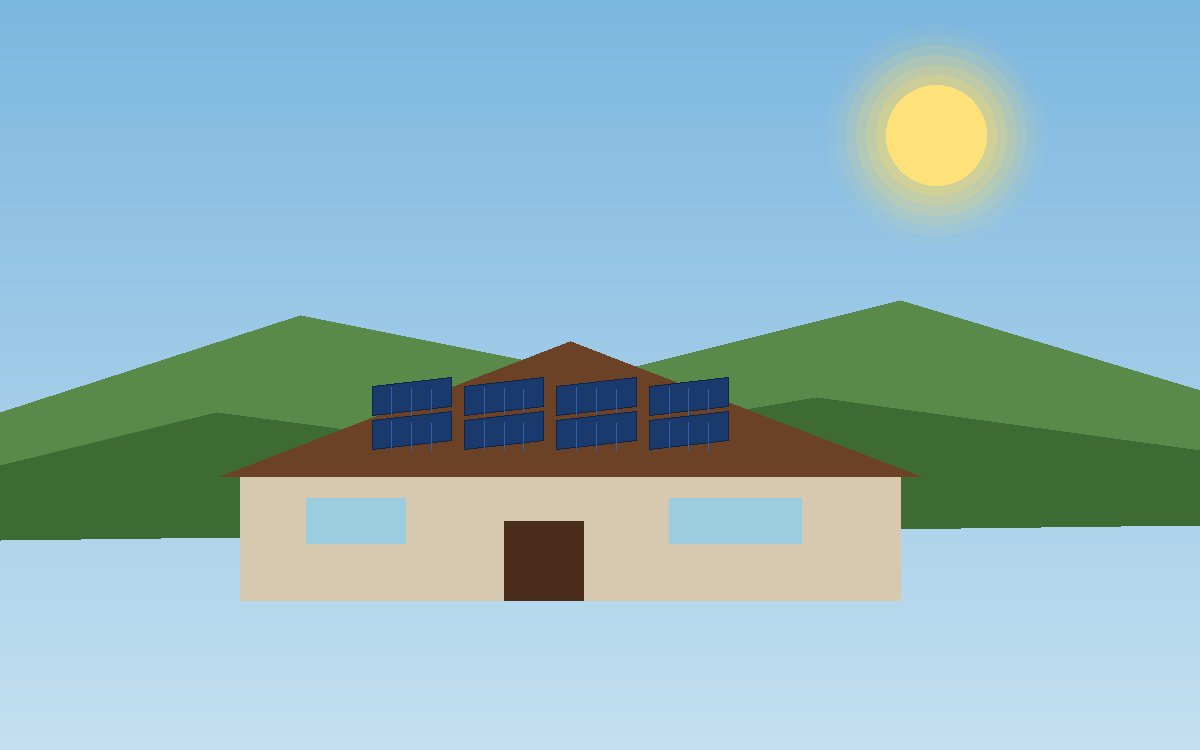
The most common approach is to install a structural lightweight tiled roof over the existing conservatory framework, with solar panels mounted on top. The conservatory becomes a year-round room and generates electricity into the bargain. Typical conservatories accept between 2 and 4 kW of solar depending on orientation and size, which is enough to make a meaningful contribution to household electricity use.
The work is carried out without removing the conservatory walls or floor, which keeps disruption to a minimum. Most conversions take 5-7 working days from start to finish, including the structural roof replacement and solar installation.
- Year-round comfort with proper insulation
- Solar generation from formerly unproductive roof space
- Improved energy efficiency for the whole home
- Increased property value
- Optional internal plastering and finishing for finished-room appearance
Solar tiles for an integrated look
For conservatories where the appearance of standard solar panels would be jarring, solar tiles offer an alternative. These integrated tiles look very similar to standard roof tiles but contain photovoltaic cells, blending solar generation into the roof covering itself. They are more expensive per watt than conventional panels — typically 30-50% more — but provide an aesthetic that some homeowners strongly prefer.
Solar tiles work particularly well on conservatories visible from the main house garden or from adjacent properties. The visual impact is minimal, and the heritage feel is preserved on period properties where the original conservatory was a Victorian or Edwardian addition.

Planning and structural considerations
Most warm-roof conversions on conservatories fall under permitted development rights and do not need planning permission. Exceptions include conservatories on listed buildings, in conservation areas, or where the new roof significantly changes the visible profile of the building. We handle any required planning application as part of the project.
Structural assessment is critical because the new roof is heavier than the original polycarbonate or glass. We use a structural engineer to confirm that the existing conservatory framework can support the new load, and we reinforce or replace components as needed. Most modern conservatory frames are adequate; some older or lightweight constructions need supplementary support.
Frequently asked questions
How much does a warm-roof conservatory conversion cost?
Typical conversions cost £8,000-£15,000 depending on conservatory size. Adding solar PV adds another £3,500-£6,000 for a 2-4 kW system.
Will I need planning permission?
Most conversions fall under permitted development. Listed buildings, conservation areas, or significant profile changes need planning. We handle any application required.
Can my existing conservatory frame take the new roof?
Most modern frames are adequate; some older lightweight constructions need supplementary support. We carry out a structural assessment as part of the survey.
How long does the work take?
Most conservatory conversions with solar take 5-7 working days. The room remains usable for most of this period as the existing structure stays in place.
What are solar tiles?
Solar tiles are photovoltaic cells integrated into roof tiles that look similar to standard tiles. They are around 30-50% more expensive per watt than conventional panels but visually much more discreet.
Comparing conservatory roof options
If you are weighing up what to do with a tired conservatory, the main options are: replace with a warm tiled roof (the most common upgrade), replace with a solid roof and add solar PV (the option this page focuses on), install solar tiles for an integrated appearance, or replace the entire conservatory with an extension (much more expensive and disruptive).
For most homeowners, the warm-tiled-roof-plus-solar combination delivers the best blend of comfort, energy benefit, and value for money. Costs typically run £11,000-£20,000 all-in, compared with £30,000-£60,000 for a full extension. The room becomes year-round usable, you generate electricity, and you avoid the planning and party-wall complexity of a brick extension.
Solar tile alternatives — where each tile contains photovoltaic cells — provide a more integrated look at a premium of around 30-50% over conventional panels on a warm roof. We discuss both options at survey stage so you can make an informed visual and financial choice.